


Could the West Midlands National Park project be a key component of a post-Covid green economic recovery?
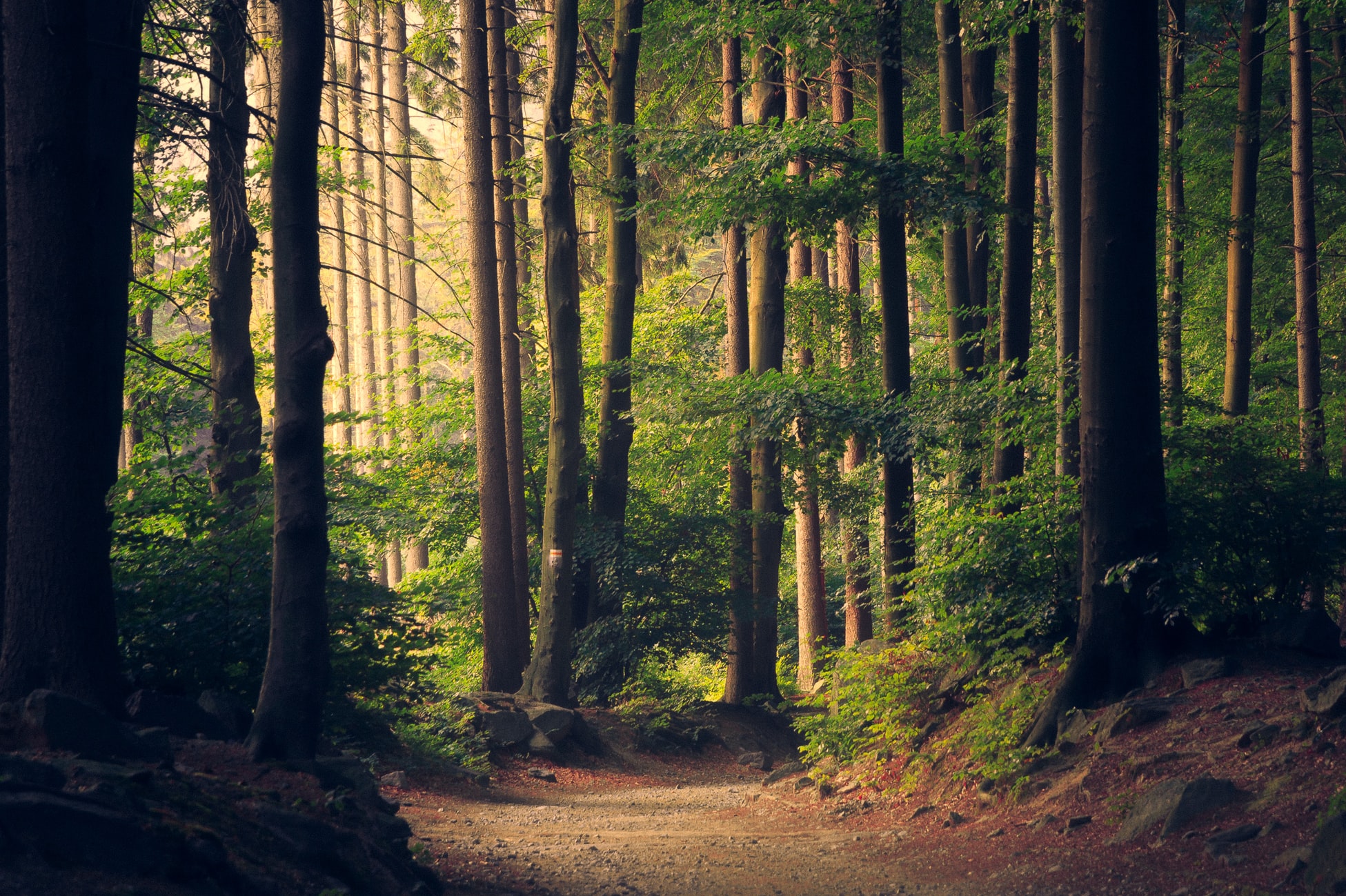
With the youngest, fastest-growing, most diverse population in the UK, the imminent arrival of HS2, the hosting of City of Culture 2021 and the Commonwealth Games, the West Midlands National Park is a unique opportunity to re-discover a vast, hidden landscape that has been largely overlooked and undervalued for decades. A game changer, it will become the benchmark to which others measure against and will demonstrate a truly holistic approach to the management of the environment in the most sustainable way for now and into the future.
During the COVID-19 pandemic we have seen how important access to green space and nature has been for people’s physical and mental health. According to Sport England’s Active Lives survey 63% of people are now saying that being able to exercise and relax outside is more important than ever before.
In response to COVID-19 people are connecting more extensively with their neighbourhoods. The revaluating of place, experience and identity, the growing importance of the environment and the need to move towards a zero-carbon and thriving green economy will now be accelerated through the creation of a National Park for the 21st century, including the entirety of the West Midlands landscape, its waterways and green spaces, towns and cities.
Formally adopted on the 5th June by the Board of the West Midlands Combined Authority, the West Midlands National Park project will result in a region-wide spatial vision to kick-start the post-Covid economy in the context of WM2041, the West Midlands zero-carbon strategy and accelerated brownfield-first house building. It will also provide an overarching context for a range WMCA post-Covid recovery interventions, and a roadmap to increased and inclusive regional prosperity, spatial and environmental justice and growth where no one is left behind.
The WMCA has committed to tackle the Climate Crisis with inclusivity, prosperity and fairness, as described in the WM2041 policy document. There is a clear recognition that the zero carbon challenge needs to attacked at speed, but in a way that yields scalable, replicable and sustainable solutions. Key to success will be the need to create better, more easily accessible places offering a high quality of life, wellbeing and environment. This project will explore and define approaches to planning, construction and connectivity that minimise environmental impact, carbon emissions and detrimental effects on air quality. It will strive to give a sense of hope to all of our communities, especially those hardest hit by the pandemic.
Andy Street, Mayor of the West Midlands said: “The National Park presents a brilliant opportunity for a region as vibrant and ambitious as the West Midlands. Our vision is for this urban National Park to be unlike any other, with which all communities and every part of civic society can engage.


