

The legislation to ban the supply of plastic straws, stirrers and cotton buds will be laid in Parliament today (03/03), as the Government continues its fight against single-use plastics.
In England, it is estimated that we use 4.7 billion plastic straws, 316 million plastic stirrers and 1.8 billion plastic-stemmed cotton buds every year. An estimated 10% of cotton buds are flushed down toilets and can end up in rivers, streams and oceans and threaten our precious wildlife.
In a bid to strike the right balance between reducing environmental impact while protecting the rights of people with medical conditions and disabilities, registered pharmacies will be allowed to sell plastic straws over the counter or online. Catering establishments such as restaurants, pubs and bars will not be able to display plastic straws, automatically hand them out, or offer them – however, these establishments will be able to provide them on request.
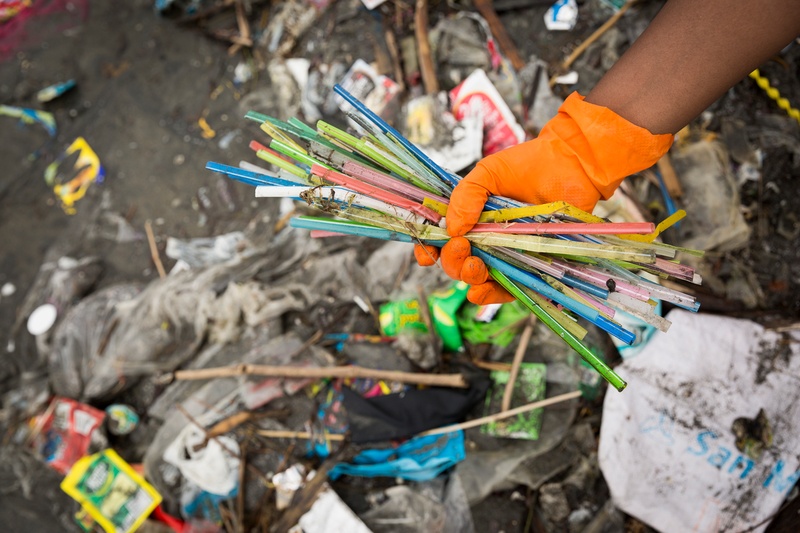
The Government will carry out a stocktake after one year to assess the impact of these measures and whether the balance is correct.
Environment Minister Rebecca Pow said:
“We must turn the tide on the widespread use of single-use plastics and the threat they pose to our natural environments. Our ban on plastic straws, stirrers and cotton buds is yet another measure to clamp down on unnecessary plastic so we can better protect our precious wildlife and leave our environment in a better state for future generations.
“This ban strikes the right balance, ensuring that we accommodate those with medical needs or disabilities while also protecting the environment.”
The ban on straws, stirrers and cotton buds is just one of a range of measures to eliminate all avoidable plastic waste. Other recent government actions include a ban on microbeads, introducing a 5p charge on plastic bags in major supermarkets which has reduced usage by 90% and consulting on introducing a deposit return scheme to drive up the recycling of drinks containers.


